
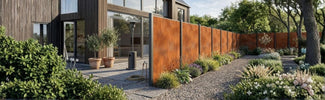
Discover the perfect garden fence for privacy and aesthetics
, 10 min reading time
, 10 min reading time
#VALUE!
A well-chosen garden fence does far more than simply mark the boundaries of your outdoor space. It directly impacts your privacy, shapes the overall look of your garden, and contributes to both comfort and security. Yet many people rush this decision, ending up with a fence that doesn’t suit their space, requires more maintenance than expected, or fails to last over time.
In this complete guide, you’ll discover everything you need to know: from materials and styles to buying advice, installation, maintenance, and common mistakes. This way, you won’t choose based on price alone, but on what truly works best for your garden.
Not every garden needs the same solution. The right choice depends on your privacy needs, style, and maintenance preferences. These are the main categories:
Wood remains popular due to its warm and natural look. It fits well in traditional and green gardens, but it does require regular maintenance such as staining or treating.
Metal is the ideal choice for those seeking durability and a modern aesthetic. Corten steel develops a protective rust layer, while aluminium is lightweight and low maintenance.
Plastic is practical and easy to maintain. It’s ideal if you want a functional solution without yearly upkeep, although the appearance is often less natural.
For a greener look, hedges and bamboo are excellent choices. They offer both privacy and atmosphere, but require consistent maintenance such as trimming and care.
A garden fence has a major impact on how your outdoor space looks and feels. It is not just functional, but also a visual element that can enhance or disrupt the overall design.
Your fence should align with the style of your home and garden. Modern gardens often benefit from sleek materials such as aluminium or corten steel, while wood or natural hedges suit more traditional or green environments. Matching materials and shapes creates a cohesive and balanced look.
Color plays an important role in how spacious a garden feels. Dark tones like black or anthracite create a clean, modern background, while lighter colors can make the space feel larger. Natural tones like wood and green create a softer transition with plants and landscaping.
A fully closed fence offers maximum privacy but can feel heavy. Open or semi-open designs, such as decorative panels or natural fences, allow light and visibility, creating a more open and airy atmosphere. The right balance determines overall comfort.
Clean lines, minimalistic shapes, and durable materials are currently popular. Corten steel and aluminium are often chosen for modern gardens, while combinations of wood and metal are becoming more common. Natural fencing remains popular due to its organic look.
A well-chosen fence enhances the structure of your garden. It can define zones, guide sightlines, and create a sense of calm. A poor choice can have the opposite effect and make the space feel smaller or unbalanced.
| Type | Privacy | Maintenance | Lifespan |
|---|---|---|---|
| Wood | High | Medium | 10–15 years |
| Corten steel | High | Low | 20+ years |
| Aluminium | High | Very low | 20+ years |
| Plastic | Medium | Low | 15+ years |
| Natural | Variable | High | Living (maintenance dependent) |
A garden fence is not something you replace every year, so it’s important to look beyond just price or appearance.
The biggest mistake? Choosing based on short-term savings. Cheap often becomes expensive due to maintenance or replacement.
This corten steel fence is designed for maximum durability and a timeless look. The material forms a natural rust layer that protects against further wear, making maintenance almost unnecessary.
This model is ideal for those looking for a strong, permanent fence that lasts for years without compromising on design.
This version combines functionality with design. The pattern adds visual depth, making the fence both practical and a design feature in your garden.
Perfect if you want privacy without a heavy or closed-off look.
This aluminium fence is perfect for those seeking a sleek and low-maintenance solution. The protective coating keeps the material in excellent condition without rusting.
A practical option for modern gardens where durability and simplicity are key.
| Model | Material | Maintenance | Best use |
|---|---|---|---|
| Gerofence 100x200 | Corten steel | Low | Durable fencing |
| Gerofence Maze | Corten steel | Low | Design & privacy |
| Gerofence Waves | Aluminium | Very low | Modern use |
This depends on your needs, desired look, and maintenance preferences. Corten steel and aluminium are durable options, while wood and natural fences offer warmth and atmosphere.
Solid fences such as corten steel, aluminium, or wood provide the highest level of privacy. Pay attention to height, panel density, and placement.
Not all fences are maintenance-free. Aluminium and corten steel require little upkeep, while wood and natural fences need regular care.
For optimal privacy, the standard height is usually between 180 and 200 cm. Choose based on visibility and the size of your garden.
Lifespan depends on material and maintenance. Wood typically lasts 10 to 15 years, while metal fences can last over 20 years.
Doika helps you not just compare, but decide. By defining your needs in advance—privacy, design, maintenance, or durability—you avoid uncertainty and choose a solution that will last for years.
Doika combines quality, expertise, and reliability in one offering. With carefully selected garden fences, Doika provides solutions that are not only visually appealing but also practical and durable. You benefit from clear product information, strong guarantees, reliable service, and support in making the right choice.
A garden fence defines how you experience your outdoor space—now and in the future. By choosing quality, the right material, and a solution that fits your situation, you avoid unnecessary costs and frustration. Explore the range via fences and choose a garden fence that truly fits your needs.


