
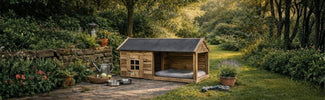
Dierenverblijven in België kopen (2026): veilig, duurzaam & geschikt voor buiten

Animal Housing (2026): Safe, Durable & Suitable for Outdoors

, 7 min reading time

Choosing the right animal housing is essential for your animals’ wellbeing, especially when they live outdoors year-round. Rain, wind, temperature changes and predators can all impact their comfort and safety. Whether you keep chickens in your garden, want to give rabbits a secure outdoor space or protect birds in an aviary, the right structure makes all the difference. In this guide, you’ll discover which types of animal housing suit different animals, what to consider in terms of materials and placement, and how to protect your animals from predators. You’ll also find a clear comparison table, a practical 7-step setup plan, and key information about delivery, returns and warranty at Doika.

What types of animal housing are available?

Animal housing comes in various forms, each designed for specific animals and outdoor conditions. Popular options include:

  • Chicken coops (with or without a run)
  • Rabbit hutches with outdoor enclosures
  • Aviaries for birds
  • Night shelters and small animal houses
  • Outdoor runs with dig-proof protection

The best choice depends on the number of animals, available space, ease of cleaning and the level of protection required.

Why outdoor conditions matter

Outdoor animal housing must withstand changing weather conditions. Keep the following in mind:

  • Moisture control: A sloped roof and raised floor help prevent dampness and mould.
  • Ventilation without drafts: Fresh air is important, but sleeping areas should remain sheltered.
  • Stability: A solid frame and optional anchoring improve safety in windy conditions.
  • Shade and heat protection: Provide shade during warm periods using roof overhangs, shade cloths or smart positioning.

Comparison table: which housing suits your animal?

Animal Recommended Housing Key Requirements Extra Consideration
Chickens Coop with run Dry sleeping area, nesting boxes, perches, elevated ventilation Strong mesh & secure locks
Rabbits Hutch + spacious run Sheltered area, dry resting space, sufficient floor area Dig-proof base or mesh barrier
Birds Outdoor aviary Wind protection, correct mesh size, sheltered section Covered night area for colder or wet periods
Small outdoor animals Fully enclosed run Secure mesh on all sides, safe flooring, shelter Stable placement and optional anchoring

Where to buy animal housing?

When buying animal housing, choose a specialist that focuses on safety, durability and long-term outdoor use. At Doika, you can order animal housing online with clear product information and designs that prioritise comfort and protection.

This way, you’re not just buying a structure, but a well-designed outdoor solution that supports your animals’ wellbeing and simplifies daily care.

What should you look for when buying animal housing?

Size and animal welfare

Always choose slightly more space than the minimum required. Animals need room to move, rest and display natural behaviour. Consider future expansion and space for feeders, drinkers and enrichment items.

Materials suitable for outdoor use

  • Wood: Natural and insulating. Ensure proper finishing, roof overhang and moisture protection.
  • Metal or aluminium: Durable and low maintenance, ideal for frames and aviaries.
  • Mesh: Choose rust-resistant, strong mesh with a size appropriate for the animal.

Protection against predators and pests

Depending on your area, animals may be at risk from predators or pests. Safe housing includes:

  • Secure locking systems
  • Strong mesh with minimal gaps
  • Dig-proof protection around runs
  • Stable construction to prevent tipping or shifting

Maintenance and hygiene

Easy cleaning saves time and keeps animals healthy. Look for accessible corners, removable trays or floors (if available) and smooth surfaces that can be cleaned quickly. This helps reduce odours, moisture and pests.

Placement in your garden

  • Avoid placing housing directly on wet ground; use paving slabs, feet or a raised base.
  • Position it in a sheltered area to reduce exposure to wind and heavy rain.
  • Ensure it remains easily accessible for inspection and cleaning.

7-step plan: how to install animal housing correctly

  1. Measure the space, including walking room around the structure.
  2. Prepare a stable base (paving, platform or compacted ground).
  3. Level the structure so doors close properly and water drains off.
  4. Anchor if necessary, especially in windy or soft-ground areas.
  5. Inspect mesh and gaps and reinforce weak points.
  6. Furnish appropriately with bedding, shelters and species-specific elements.
  7. Monitor for 48 hours to check for drafts, dampness and ease of use.

Delivery, returns & warranty at Doika

  • Delivery: Order online at Doika and have your animal housing delivered to your home.
  • Returns: If you change your mind or need a different size, returns are possible according to the stated conditions.
  • Warranty: Doika provides warranty coverage for construction and material defects under applicable terms.

Tip: Upon delivery, check the packaging and components to ensure a smooth installation process.

Frequently asked questions about animal housing

What type of animal housing is best for outdoor use?

Housing with a raised floor, sloped roof, proper ventilation without drafts and weather-resistant materials is ideal for outdoor conditions. This keeps animals dry, protected and comfortable year-round.

How can I protect chickens or rabbits from predators?

Use strong, rust-resistant mesh with small openings and secure locking mechanisms. A dig-proof barrier around the run helps prevent animals from burrowing underneath.

How much space do animals need in outdoor housing?

Animals need sufficient room to move freely, rest and express natural behaviour. Choosing slightly larger housing than the minimum requirement improves welfare and makes maintenance easier.

How often should outdoor animal housing be cleaned?

A weekly basic cleaning routine is recommended. Remove wet bedding and leftover food more frequently to prevent odours, mould, parasites and pests.

What should I consider when buying animal housing?

Focus on adequate space, durable outdoor materials, secure construction, ease of cleaning and clear information about delivery, returns and warranty. This ensures a long-lasting and reliable solution for your animals.

Why choose Doika for animal housing?

Doika combines product expertise with a strong focus on durable outdoor solutions. Each animal housing option is selected for safety, stability and ease of maintenance. You benefit from clear product information, guidance in choosing the right size and customer-focused support for installation and care. This way, you invest in housing that provides comfort for your animals and convenience for you.

Conclusion

Outdoor animal housing should be dry, stable and secure, with enough space to support comfort and natural behaviour. Prioritise ventilation without drafts, choose durable materials and take predator protection seriously—especially for runs and enclosures. Explore the full range of animal housing at Doika and order online with confidence.


Frequently Asked Questions

What type of animal housing is best for outdoor use?
Housing with a raised floor, sloped roof, proper ventilation without drafts and weather-resistant materials is ideal for outdoor conditions. This keeps animals dry, protected and comfortable year-round.
How can I protect chickens or rabbits from predators?
Use strong, rust-resistant mesh with small openings and secure locking mechanisms. A dig-proof barrier around the run helps prevent animals from burrowing underneath.
How much space do animals need in outdoor housing?
Animals need sufficient room to move freely, rest and express natural behaviour. Choosing slightly larger housing than the minimum requirement improves welfare and makes maintenance easier.
How often should outdoor animal housing be cleaned?
A weekly basic cleaning routine is recommended. Remove wet bedding and leftover food more frequently to prevent odours, mould, parasites and pests.
What should I consider when buying animal housing?
Focus on adequate space, durable outdoor materials, secure construction, ease of cleaning and clear information about delivery, returns and warranty. This ensures a long-lasting and reliable solution for your animals.

Latest blogs

  • Dierenverblijven in België kopen (2026): veilig, duurzaam & geschikt voor buiten

    Animal Housing (2026): Safe, Durable & Suitable for Outdoors

    Read more 

  • Zichtbreeknet kopen in 2026: complete gids voor privacy, rust en slimme keuzes

    Buy Privacy Screen Netting in 2026: Complete Guide for Privacy, Calm and Smart Choices

    Read more 

  • Deurbeslag kopen in 2026: zo kies je het juiste beslag voor elke deur

    Door Hardware in 2026: How to Choose the Right Hardware for Every Door

    Read more 

Previously viewed by you

Login

Forgot your password?

Don't have an account yet?
Create account