What Is Corten Steel?
, 5 min reading time
, 5 min reading time
#VALUE!
Corten steel (also known as weathering steel) is a type of steel valued for its distinctive rust-brown appearance and its natural protection against further corrosion. Unlike standard steel, corten steel does not continue to rust indefinitely. Instead, it forms a dense, protective oxide layer that shields the material from deeper corrosion. This makes corten steel a popular choice for outdoor use, from garden elements to architectural features. In this guide, you’ll learn how corten steel works, what happens during the rusting process, and what to consider when using it around your home or garden.
Corten steel is a specially alloyed steel known for its exceptional resistance to corrosion. This resistance is achieved by adding elements such as copper, chromium, and nickel to the steel. As a result, a protective oxide layer develops on the surface over time, giving corten steel its characteristic rust-brown colour and slowing down further corrosion. This makes the material durable and relatively low maintenance.
When corten steel is exposed to outdoor conditions such as rain, humidity, and temperature changes, a natural oxidation process begins. During this process, a dense barrier layer forms on the surface, consisting of oxides, sulphates, and phosphates that adhere firmly to the steel. Unlike regular steel, where rust continues to penetrate deeper, the corrosion process in corten steel stops once this protective layer is fully developed. This keeps the material strong and stable, even in challenging environments.
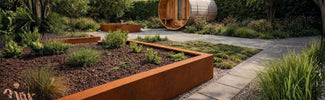
One of the most distinctive features of corten steel is its visual transformation. The material typically starts with a greyish tone and gradually develops a warm, rust-brown patina. The final appearance depends on factors such as climate, humidity, and whether the steel is positioned vertically or horizontally.
The formation of the protective layer usually takes several months up to about a year. This process can be accelerated using specialised rust accelerators. Once the steel has fully oxidised, a rust fixer can be applied to stabilise the surface and reduce rust runoff.
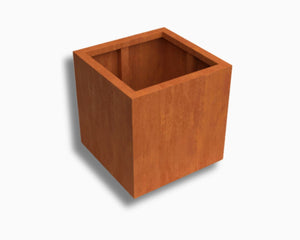
Corten steel is known for its high strength and long lifespan. It is particularly well suited for outdoor applications such as corten steel garden elements, façade cladding, and decorative features. A corten steel planter, for example, is both practical and visually striking, fitting seamlessly into modern as well as traditional garden designs.
On average, it takes several months up to about a year for the protective rust layer to fully develop. The exact duration depends on weather conditions, humidity, temperature, and placement.
During the initial phase, corten steel may release rust-coloured runoff, especially when exposed to rain. After full oxidation, this can be significantly reduced by applying a rust fixer.
Corten steel is considered low maintenance, but not always completely maintenance-free. Depending on the application, it may be useful to keep surrounding areas clean or stabilise the rust layer.
In most cases, yes. However, corten steel performs best when it is not constantly submerged in water. During the initial phase, it’s also wise to consider potential staining on sensitive surfaces.
At Doika, you’ll find a carefully selected range of corten steel solutions designed for outdoor use, supported by clear product information and practical guidance on installation, rust formation, and maintenance. This helps you make an informed choice with realistic expectations.
You can rely on dependable service, accessible support, and careful delivery. Even after purchase, Doika remains available to answer questions and provide assistance.
Corten steel combines a warm, distinctive appearance with strength and durability thanks to its protective rust layer. This makes it an excellent, low-maintenance choice for outdoor projects. Looking for inspiration or ready to compare options? Explore our corten steel products and find the solution that suits your style and needs.